



History -
BANDAI
※バンダイナムコ統合前となる2005年までの歴史を記載
2005
-
April
Palbox transferred certain operations to MegaHouse Corporation.
2004
-
Sponsorship provided for the activities of the theater company Hikosen.
-
November
Shuku Keitai Kaitsuu! Tamagotchi Plus launched.
-
Comprehensive master licensing contract concluded with Sanrio Company Ltd. for the character Cinnamoroll.
-
July
Steamboy released (directed by Katsuhiro Otomo).
-
Cumulative total shipments of Zatchbell The Card Battle surpassed 300 million units.
©雷句誠/小学館・フジテレビ・東映アニメーション
-
Participated in the Shanghai International Character Expo, China’s first character event. Over nine days, 100,000 visitors attended.
-
May
For the film Daremo Shiranai, which was co-produced by BANDAI VISUAL, lead Yuya Yagira won the Best Actor award at the Cannes International Film Festival.
-
BANPRESTO concluded basic agreement to take over the operation of the ASAKUSA HANAYASHIKI amusement park.
-
Opened World Toy Museum in Karuizawa, exhibiting antique toys (closed in November 2007).
-
April
New headquarters building completed.
-
Cumulative total shipments of Gundam series home video games surpassed 20 million units.
-
March
Kaette Kita! Tamagotchi Plus launched.
2003
-
BANDAI VISUAL listed on the Second Section of the Tokyo Stock Exchange.
-
December
BANDAI NETWORKS listed on JASDAQ.
-
October
Total number of BANDAI CHANNEL paid viewings surpassed three million.
-
Zatoichi, whose production BANDAI VISUAL participated in, won the Silver Lion for Best Director award at the 60th Venice International Film Festival.
-
August
Entered the building block market through cooperation with Mega Bloks Inc., the world’s second-largest manufacturer of toy building blocks.
-
July
Opened Bandai Museum, a character museum(closed in August 2006).
-
May
Invested in confectionery manufacturer Tohato Inc.
-
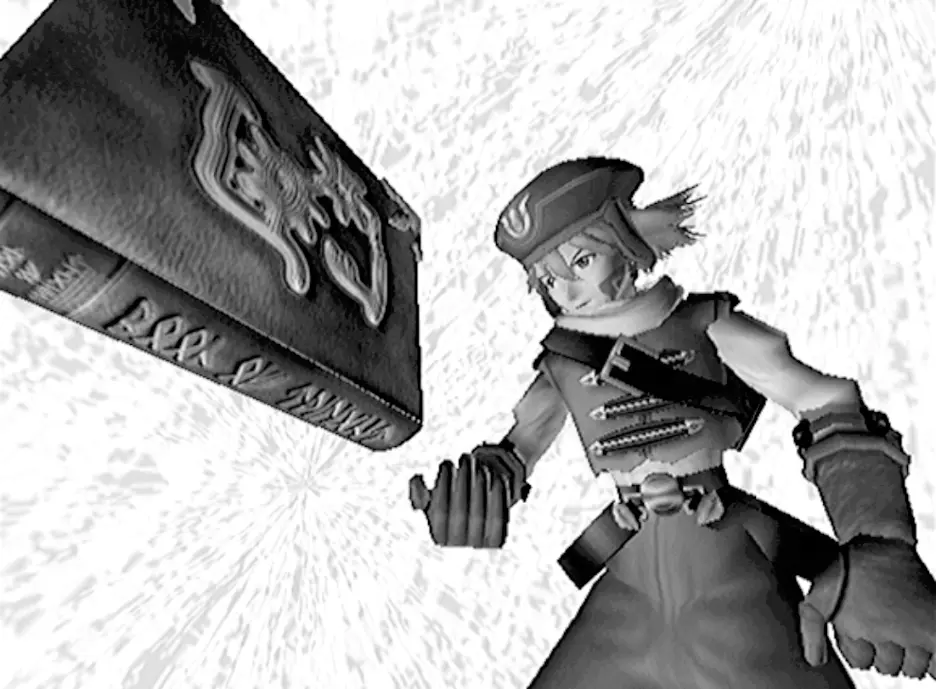 ©Project .hack
Cumulative total shipments of original character .hack game software in Japan and the U.S. reached one million units.
©Project .hack
-
April
Name of Yutaka Co., Ltd., was changed to Popy Co., Ltd.
-
March
Tsukuda Original and Wakui Corporation implemented a management integration and the company name was changed to Palbox Co., Ltd.
2002
-
BANPRESTO listed on the First Section of the Tokyo Stock Exchange.
-
July
Capital tie-up with Tsukuda Original.
-
March
BANDAI CHANNEL CO., LTD., established as an on-demand online distribution company.
2001
-
November
BANDAI VISUAL listed on JASDAQ.
-
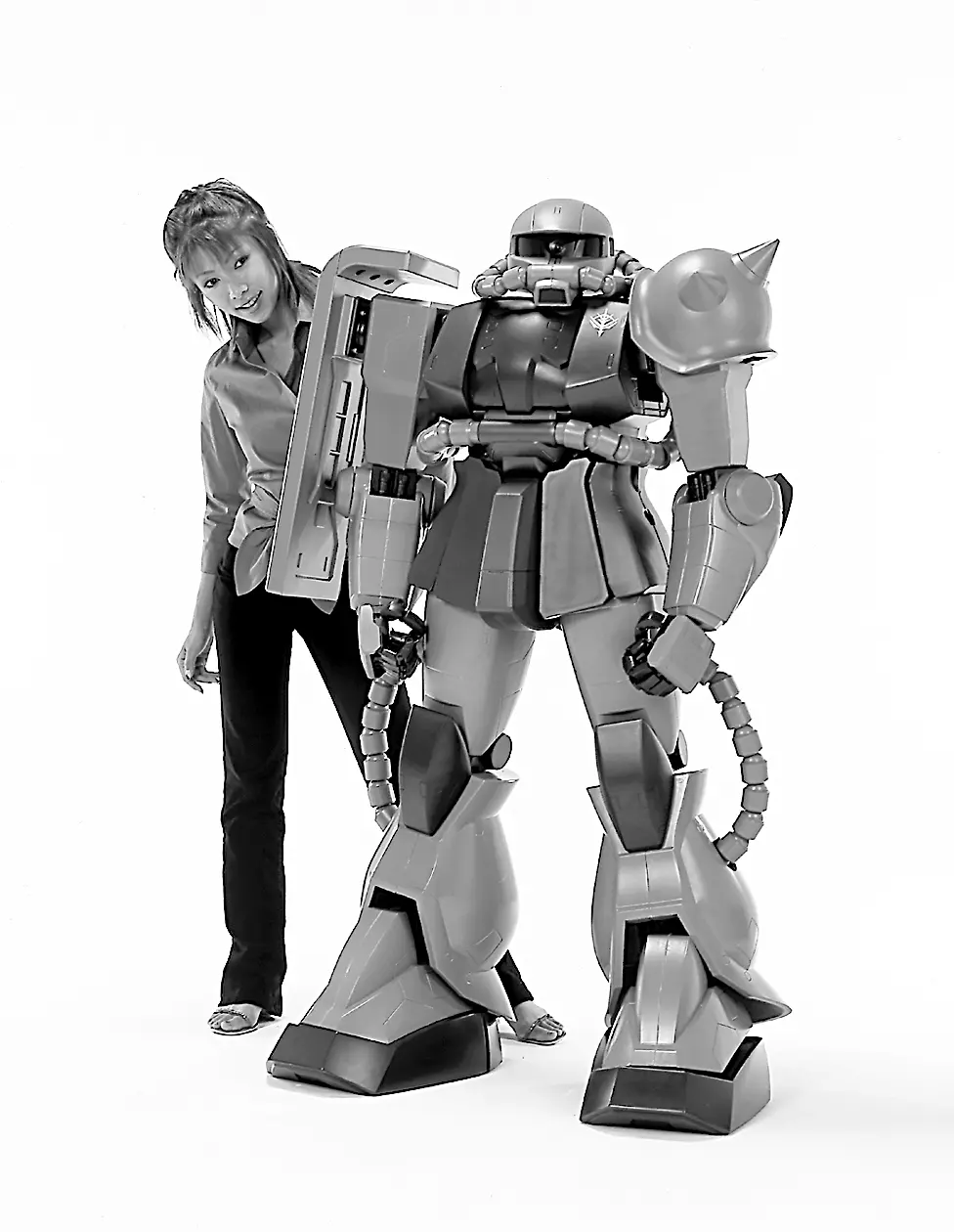 ©創通・サンライズAugust
1/12-scale Zaku model (overall height: approximately 1.5 m) was exhibited at the “C3 PRE” character culture event and became a topic of conversation.
©創通・サンライズ
-
July
Cumulative total sales of Gashapon HG series surpassed 100 million units.
-
March
BHK TRADING LTD. established.
2000
-
Capital tie-up with Seika Note Co., Ltd.
-
October
BANPRESTO CO., LTD., listed on the Second Section of the Tokyo Stock Exchange.
-
September
Network Department spun off from BANDAI to establish BANDAI NETWORKS CO., LTD.
-
June
Invested in Sotsu Agency (currently, SOTSU CO., LTD.).
-
Character Research Institute established.
-
April
Network Department established.
-
Content for i-mode became popular and surpassed one million paid subscribers.
-
BANDAI KOREA CO., LTD., established in South Korea.
-
March
HAPPINET CORPORATION listed on the First Section of the Tokyo Stock Exchange.
1999
-
November
Primo Puel talking stuffed toys launched.
-
October
Concluded agreement with Mattel, of the U.S., regarding joint business development (contract covering the Japanese market canceled in December 2003).
-
September
HANA-BI, whose production BANDAI VISUAL participated in, won the Golden Lion award at the 54th Venice International Film Festival.
-
May
Gundam plastic models surpassed cumulative total sales of 300 million units.
-
DIGIMON ADVENTURE became an animation.
-
Start of service for Dokodemo Aso Vegas, the first content for NTT DOCOMO’s i-mode.
-
WonderSwan, a new mobile game machine, launched.
-
March
Takeo Takasu was appointed president and representative director.
1998
-
December
HAPPINET CORPORATION listed on the Second Section of the Tokyo Stock Exchange.
1997
-
October
Founder Naoharu Yamashina passed away (October 28, age 79).
-
August
HAPPINET CORPORATION offered its stock on the over-the-counter market (currently, the First Section of the Tokyo Stock Exchange).
-
July
Group companies Kaken, Angel, and B-I merged to establish MegaHouse Corporation.
-
Takashi Mogi was appointed president and representative director.
-
June
Launched Tamapichi,a PHS phone that incorporated Tamagotchi functions.
-
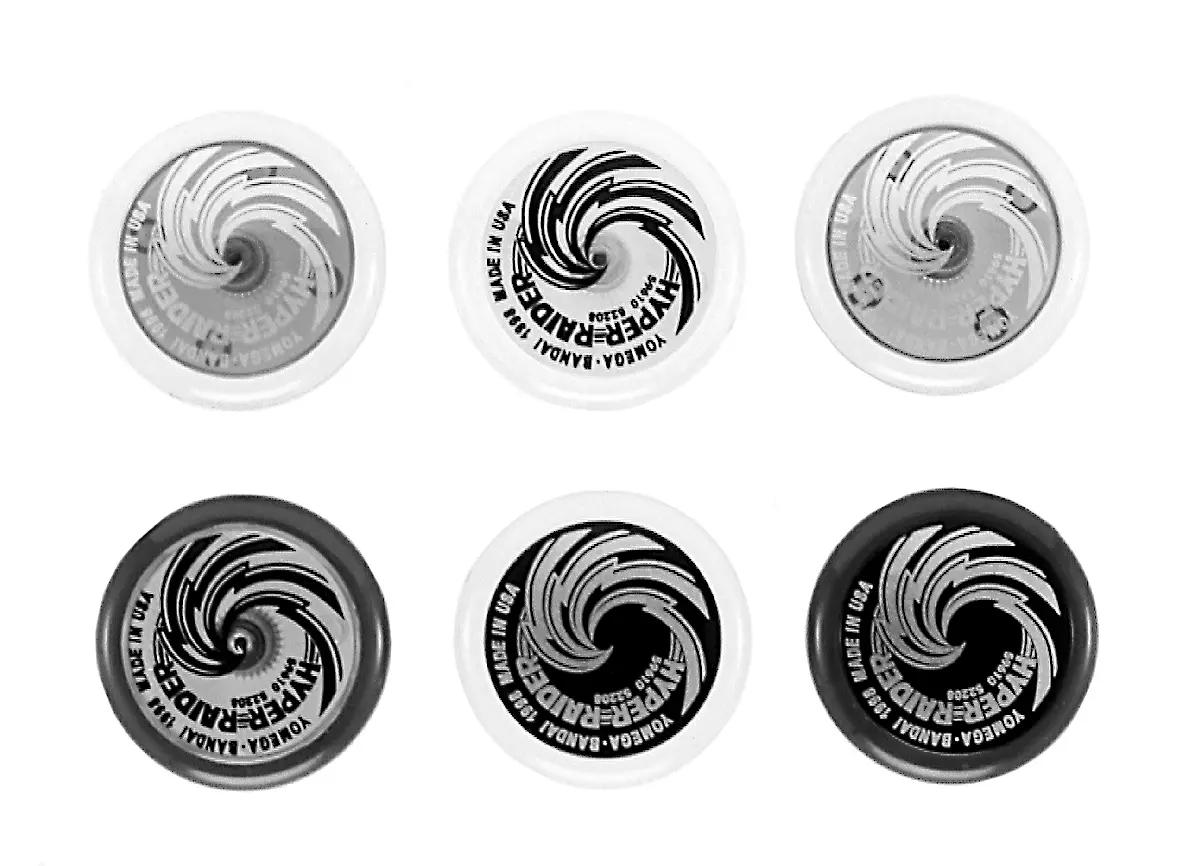 ©BANDAIApril
Hyper Yo-Yo launched.
©BANDAI
1996
-
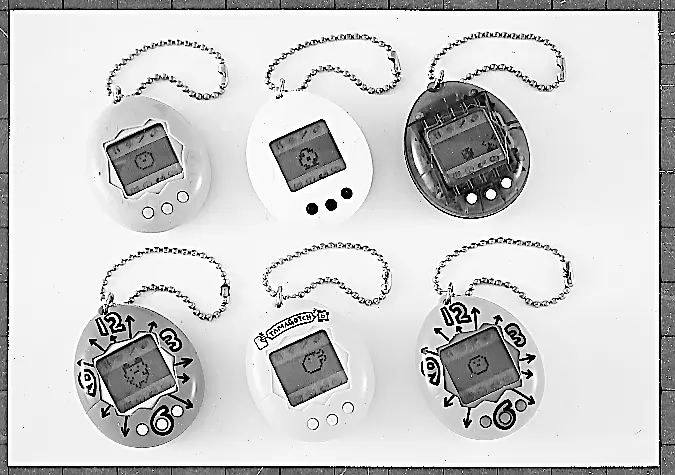 ©BANDAINovember
Tamagotchi launched.
©BANDAI
-
Bandai Trading (Shanghai) Co., Ltd., established in Shanghai.
-
March
Launch of the Pippin Atmark.
1995
-
October
Three companies established in the U.S.—BANDAI HOLDING CORP., BANDAI DIGITAL ENTERTAINMENT CORP., and BANDAI ENTERTAINMENT INC.
-
July
Technical Design Center (Tochigi) went into operation.
1994
-
March
SUNRISE INC. became a Group company
1993
-
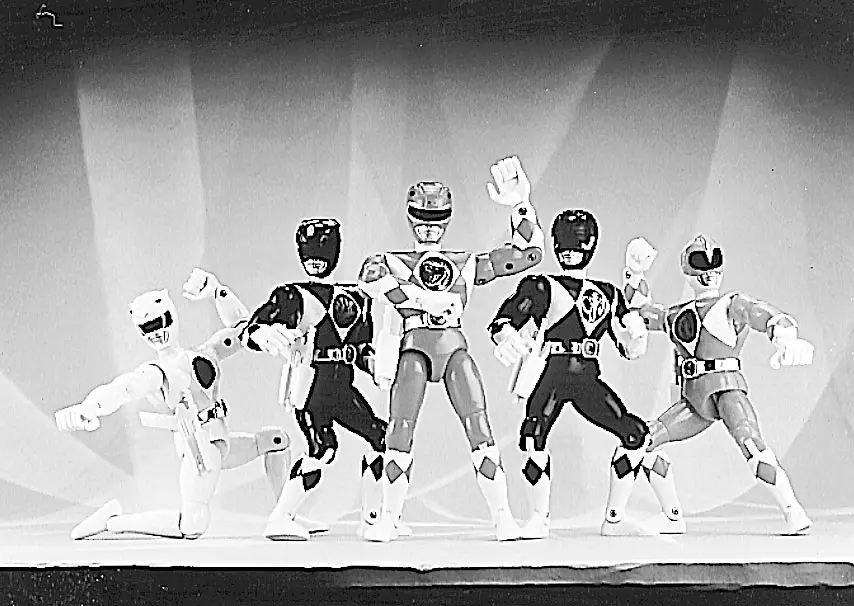 ©1993 SABAN INT
Products related to Power Rangers became major hits in the U.S.
©1993 SABAN INT
-
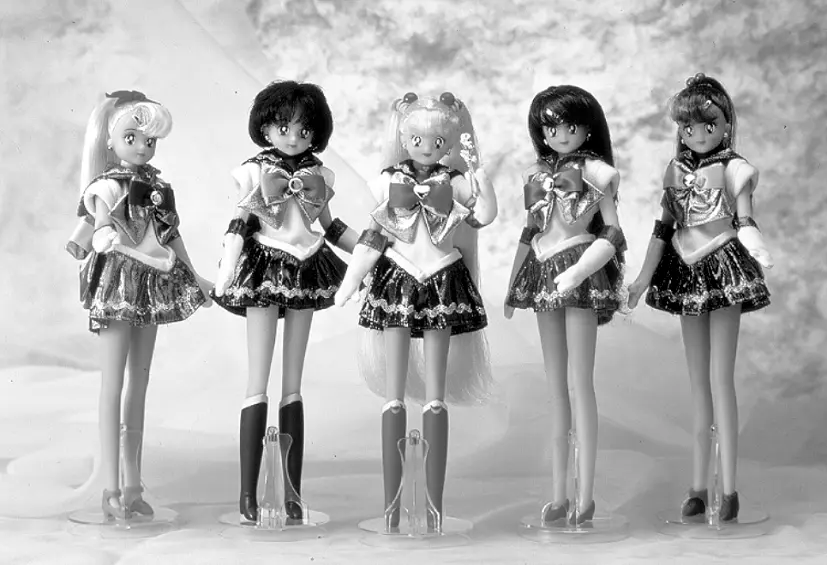 ©武内直子・PNP・テレビ朝日・東映アニメーション
Products related to Pretty Guardian Sailor Moon became major hits.
©武内直子・PNP・テレビ朝日・東映アニメーション
1992
-
October
BANDAI’s visual products business transferred to BANDAI VISUAL CO., LTD.
-
September
Name of Bandai Transport was changed to BANDAI LOGIPAL INC.
1991
-
October
Tosho, Dairin, and Seiko merged to establish HAPPINET CORPORATION.
-
April
Chara-Can, which packaged toys with drinks through a tie-up with Suntory, are a big hit.
-
February
Bandai (Taiwan) Co., Ltd., established as local company in Taiwan.
1990
-
Sally the Witch Spikatact surpassed one million units.
-
August
Bandai Transport registered on the over-the-counter market (currently, JASDAQ).
-
January
Name of Shinsei Manufacturing was changed to Yutaka Co., Ltd.
1989
-
October
Advanced into the music field (launch of the Emotion label).
-
January
Completed head office building in Komagata,Taito-ku, Tokyo.
1988
-
Cooperated in the production of the musical The Forest is Alive/ Twelve Months of Nina.
-
August
BANDAI listed on the First Section of the Tokyo Stock Exchange.
-
July
Sales of CARDDASS started.
-
April
Media Department established. Made full-scale entry into the visual products business.
1987
-
Contract signed with The Walt Disney Company. Video products launched.
-
May
Chairman Naoharu Yamashina was appointed executive advisor.
-
Quick Curl launched. Entered the field of practical lifestyle sundries.
-
Released Royal Space Force: The Wings of Oneamis,a full-length original animation feature.
-
March
Joint venture firm BANDAI AND K.C. CO., LTD.,established in Thailand.
-
Products related to Saint Seiya (Knights of the Zodiac) series became hits.
1986
-
September
Entered the movie field by cooperating in the production of The Baby Elephant.
-
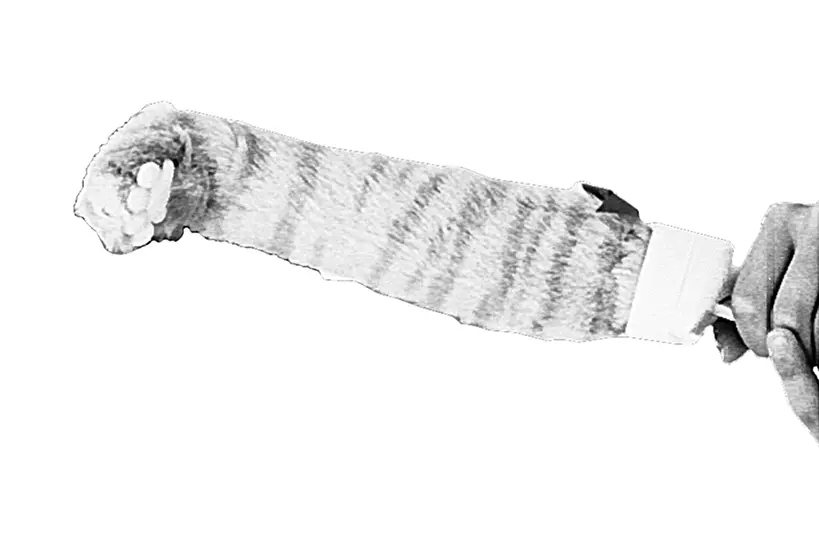 February
Nekonyanbo became a major hit.
-
January
BANDAI listed on the Second Section of the Tokyo Stock Exchange. Capital: ¥240 million.
1985
-
November
First Famicon software, Kinnikuman-Muscle Tag Match,launched. Became a major hit with sales of one million units.
-
May
Advanced into the Chinese market with the establishment of a Japan–China joint venture firm,China Fuman (Fujian) Toys Co., Ltd., in Fujian Province,China.
1984
-
December
Fuman (H.K.) Co., Ltd., established in Hong Kong.
-
October
Gundam plastic model series surpassed 100 million units since the launch.
-
April
Launched Air Condition series, which was created from original video software music and video.
1983
-
December
Launched Darosu, an industry-first original video animation.
-
August
Apparel Department established.
-
April
Kinnikuman capsule toy launched; became a major hit.
-
March
Corporate identity introduced. New BANDAI philosophy established—“Dreams and Creation.”
-
Absorption-type merger of seven companies—Popy, Bandai Models, Bandai Manufacturing, Bandai Overseas, Mameet,Celent, and Bandai Publishing.Capital increased to ¥711.39 million.
1982
-
November
Emotion Ltd. established. Opened Emotion video shop, the first video shop authorized by the Japan Video Software Association.
-
October
Frontier Department established as planning and production unit for animations and films.
-
June
BANDAI UK LTD. established in the U.K.
1981
-
March
Entered the candy toy market.
-
January
BANDAI FRANCE S.A. established as sales base in Europe.
1980
-
November
Celent established.
-
Tonka Japan changed its company name to Mameet.
-
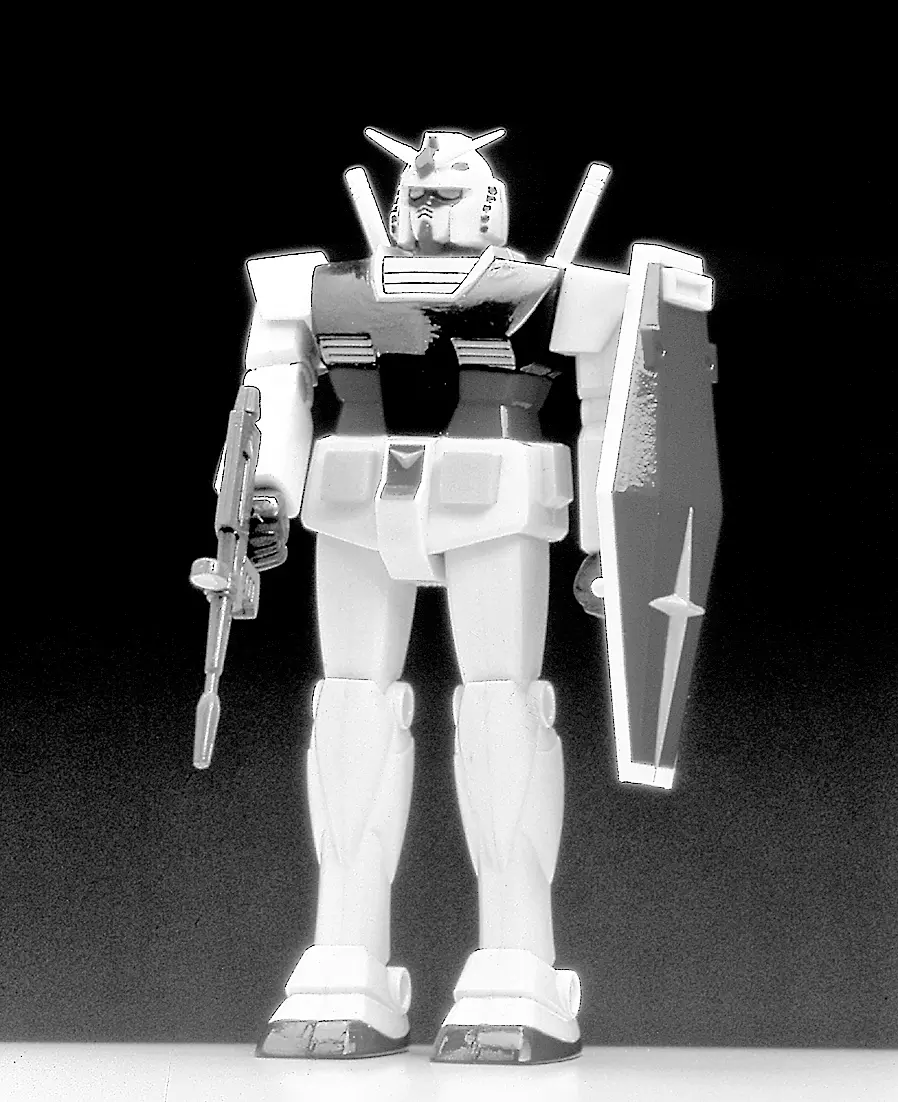 ©創通・サンライズJuly
Gundam plastic models launched, starting a major boom.
©創通・サンライズ
-
May
Makoto Yamashina was appointed president and representative director, and Naoharu Yamashina was appointed chairman.
1979
-
Candy-Candy Nurse’s Bag became one of the biggestever hit products among girls’ character toys.
-
November
B-I Electronics and B-I Mibu established.
1978
-
October
BANDAI AMERICA INCORPORATED established as U.S. sales base.
-
Launch of LSI Baseball, which later became a hit electronic game.
-
September
Bandai Publishing established.
1977
-
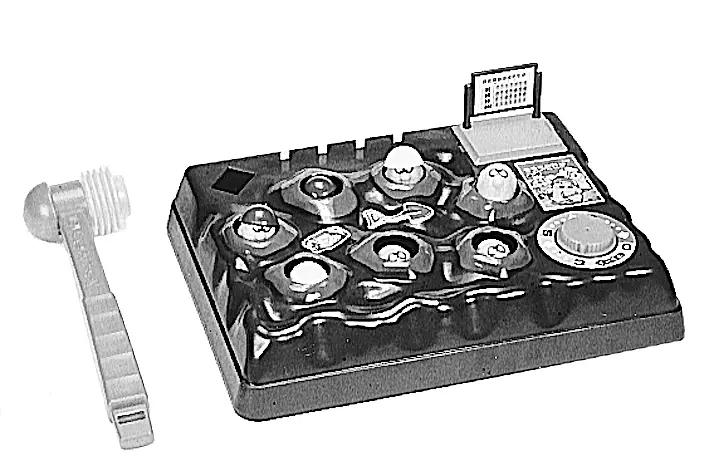
Launch of Mogura-Tataki Game, which became a major hit in the following year, 1978, and was included in Nikkei’s list of hit products.
-
June
BANDAI (H.K.) CO., LTD., established as overseas manufacturing base in Hong Kong.
-
April
Started sales of capsule toys through vending machines.
1976
-
November
Established Popy Mibu factory.
-
October
Published Ugoku E-Hon and entered the publishing industry.
-
August
Jumbo Machinder exported to Mattel, of the U.S. Became a best seller in 1977 under the name Shogun.
1975
-
October
Alliance with Monogram, of the U.S.
-
January
Trademark and logo changed.Expressed the dramatic combined worldwide growth of nine BANDAI Group companies.
1974
-
December
Three Group companies(BANDAI, Popy, and Tonka Japan) implemented an industry-first, full-page newspaper advertisement.
-
 ©ダイナミック企画
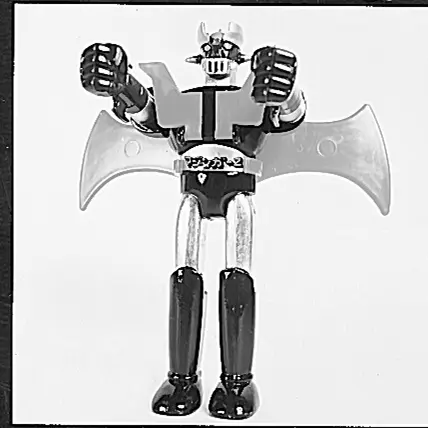
CHOGOKIN Mazinger Z became a major hit.
©ダイナミック企画
1973
-
October
Jumbo Machinder Mazinger Z won the Grand Prix prize at the 4th International Trade Fair Toy Concours.
-
March
MiniMini Fish launched.
1971
-
July
Established Popy as a specialist character toys manufacturer.
-
May
Bandai Models established.
1970
-
September
Tonka Japan established.
1969
-
November
Acquisition of plant in Shimizu City, Shizuoka Prefecture.Start of production of plastic models, such as the Automobile series, Thunderbirds 2, and the Beetle series.
1968
-
October
Customer service center established.
-
Naughty Flipper series was a big hit, winning a gold medal at the New York International Innovative Products Exhibition.
1967
-
August
New Model Toys Department launched sales of plastic models.
-
Thunderbirds series of electrically powered toys launched.
-
Water Motor series became a hit.
-
May
Bandai Automobile established.
-
BANDAI’s new trademark (the BANDAI Baby) formulated.
1966
-
July
Crazy Foam launched. Sold 2.4 million units in three months due to intensive campaign, centered on TV promotion.
1965
-
October
Toy manufacturing complex completed in Mibu, Tochigi Prefecture.
-
January
Racing Car Set enjoyed an enormous boom in sales.
1964
-
January
Remote control (RC) toy car became a major hit.
1963
-
Astroboy was launched as BANDAI’s first TV character toy.
-
December
Due to growth of operations, moved to new office building in Komagata 1-chome, Asakusa, Taito-ku, Tokyo.
-
November
Assigned representative to New York and began sales in the U.S.
-
September
Bandai Transport was established.
1961
-
July
Company name was changed to BANDAI. Paid-in capital was ¥20 million.
-
June
Name of Waraku Works was changed to BC Manufacturing. (Name was changed to BANDAI Manufacturing in May 1966.)
1960
-
July
Bandai Toys Company established (transferred to Bandai Overseas Supply in 1971).
-
March
Direct overseas sales started.
1959
-
Trademark (commonly known as the Banzai mark) was established to express the motto that quality is the highest priority.
-
July
Metal model cars were commercialized and products with the labels of car series from around the world were launched.
1958
-
July
First TV advertisement aired with the catchphrase “The Red Box means a BC-guaranteed toy.”
1955
-
 November
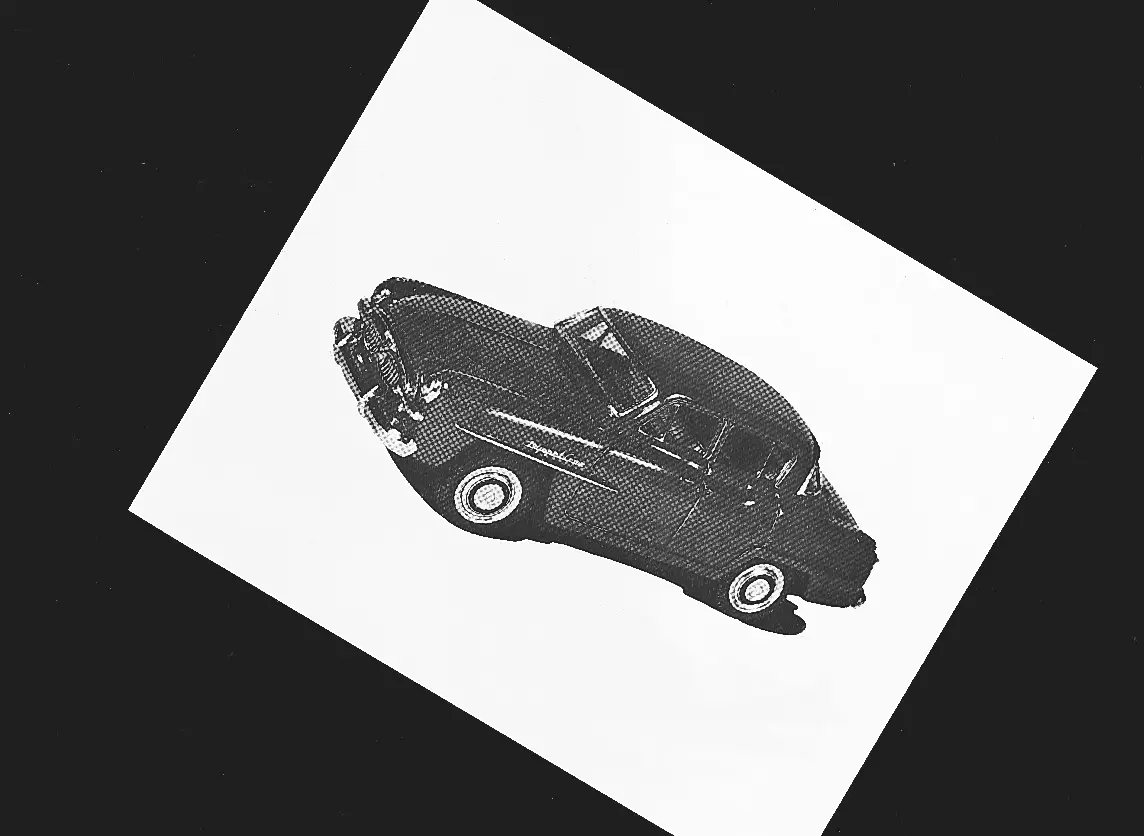
A product guarantee system—an industry first—was launched in conjunction with the Toyopet Crown (1956 version) model car.
-
The BC logo was created by combining the first letters in BANDAI Company.
-
June
Office building newly constructed in Komagata 2-chome, Asakusa, Taito-ku, Tokyo.
-
January
Waraku Works (predecessor of BANDAI Manufacturing) was established.
1953
-
Transport Division (predecessor of BANDAI LOGIPAL INC.) was established.
-
A research unit was established to improve the quality of BANDAI brand metallic toys and to conduct R&D in new products.
-
July
Product Inspection Department established to perform checks on all products.
-
April
Accompanying the expansion of export operations,shipment and warehouse facilities were newly established in Komagata, Asakusa, Taito-ku, Tokyo.
1951
-
April
B26, the first BANDAI original metallic toy, was launched.
-
March
Export sales commenced.
1950
-
September
First original BANDAI product was launched:Rhythm Ball.
-
July
Bandaiya was founded in the Kikuyabashi section of Asakusa in Taito-ku, Tokyo (President: Naoharu Yamashina). Paid-in capital was ¥1 million. The company conducted sales of celluloid toys as well as metallic toys (passenger cars), rubber swimming rings, etc.