



History -
NAMCO
※バンダイナムコ統合前となる2005年までの歴史を記載
2005
-
April
Shigeichi Ishimura was appointed president and representative director.
-
February
Opened Tokyo Panya Street in Funabashi City,Chiba Prefecture.
2004
-
December
Opened Kobe Sweets Harbor in Kobe City,Hyogo Prefecture.
-
October
Opened Kaikaya day service center in Yokohama City, Kanagawa Prefecture.
-
July
Introduced Wangan Midnight MAXIMUM TUNE, a racing game machine.
-
Namco Hometek and Flagship Studios concluded a partnership agreement for the development and sales of PC games.
-
March
Launched Katamari Damashii for the PlayStation 2.
-
February
Opened Naniwa Gyoza Stadium in Umeda, Osaka.
2003
-
December
Introduced Dragon Chronicle, a multiplayer fighting video game machine.
-
November
Opened Jiyugaoka Sweets Forest in Meguro-ku, Tokyo.
-
August
Launched Tales of Symphonia for the Nintendo GameCube.
-
July
Introduced Big Sweet Land, a large-size-prize game that could be played by up to six players at once.
-
Simultaneously launched versions of the Soulcalibur 2 home video game for three different platforms.
-
March
Established NAMCO TALES STUDIO LTD., a home video game development company.
-
Launched Tales of Destiny 2 for the PlayStation 2.
-
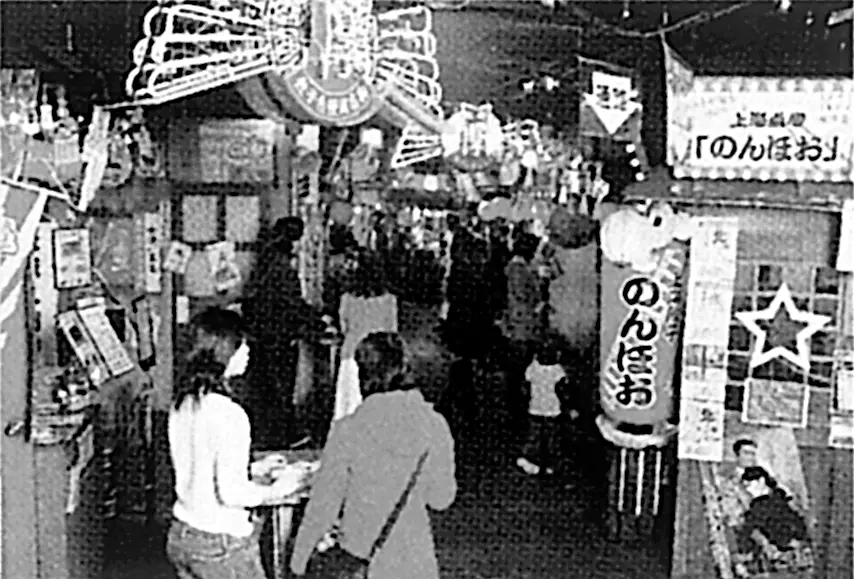
Opened Ikebukuro Gyoza Stadium in Namco NAMJATOWN.
2002
-
May
Kyushiro Takagi was appointed president and representative director.
-
Opened Namco Wonder Park Sapporo.
-
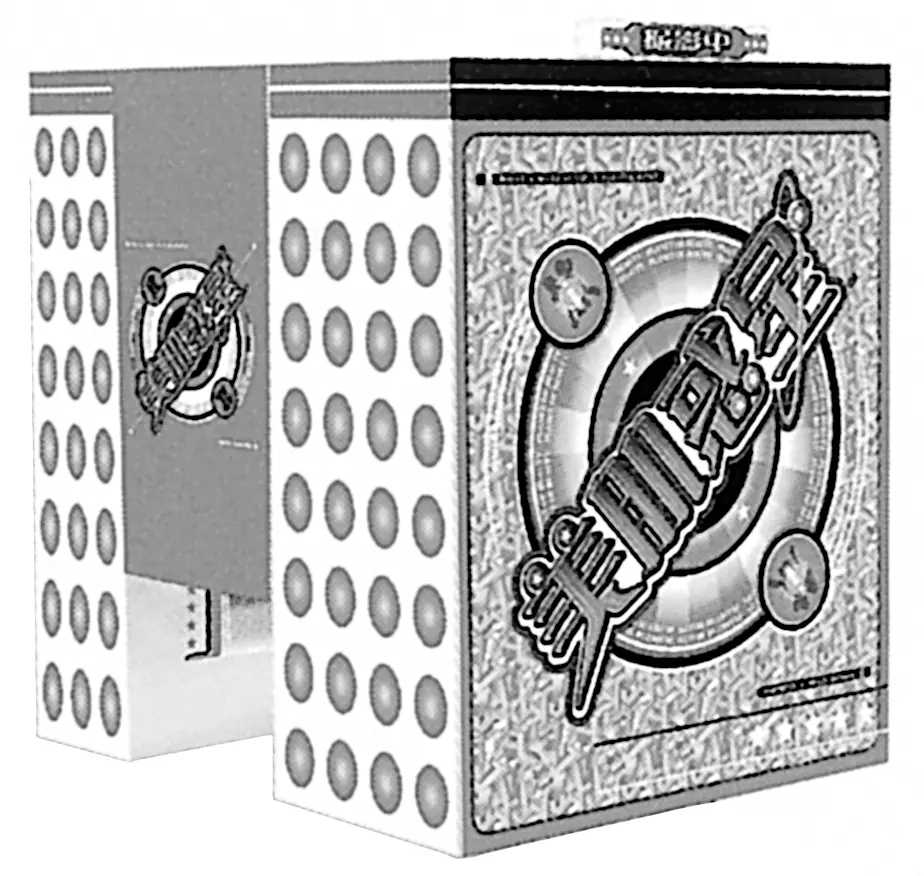 ©Bandai Namco Entertainment Inc.
Introduced Bihada Wakusei, a high-definition seal printing machine.
©Bandai Namco Entertainment Inc.
-
February
Business tie-up with Nintendo Co., Ltd., in the home video game business.
-
January
Launched Kotoba no Puzzle: Mojipittan, a home video game.
2001
-
October
In collaboration with Benesse Corporation,opened Shima-Shima Town, a communication park for preschool children, in Kawasaki City.
-
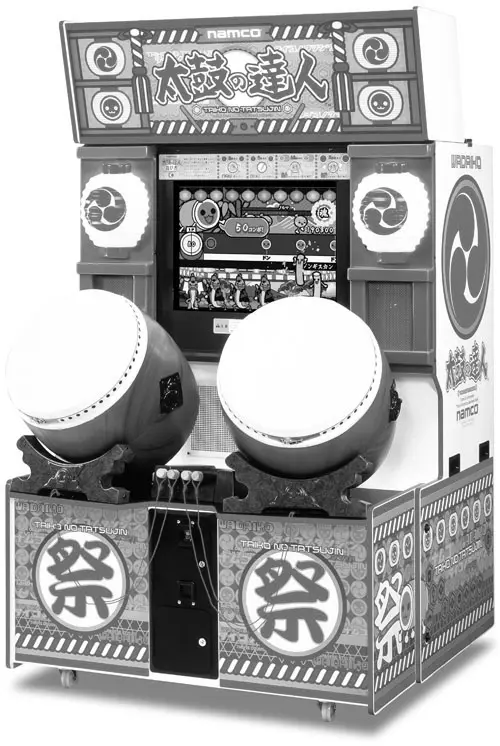 ©Bandai Namco Entertainment Inc.February
Introduced the TAIKO: DRUM MASTER amusement machine.
©Bandai Namco Entertainment Inc.
-
Formed Team Namja, a group of producers of commercial spaces.As the first project, opened Yokohama Curry Museum (operator:Matahari Co., Ltd.).
2000
-
Launched MotoGP for the PlayStation 2.
-
Opened the Chi-Kou-Raku Internet facility in Nagoya(closed in 2011).
-
December
Opened Namco Entertainment World Tokyo Pitan City in Daiba, Tokyo.
-
October
Obtained license to distribute PAC-MAN for Sharp Corp.’s Zaurus.
-
August
In cooperation with Sony Computer Entertainment, jointly developed the System 246 board, which was based on PlayStation 2 technology.
-
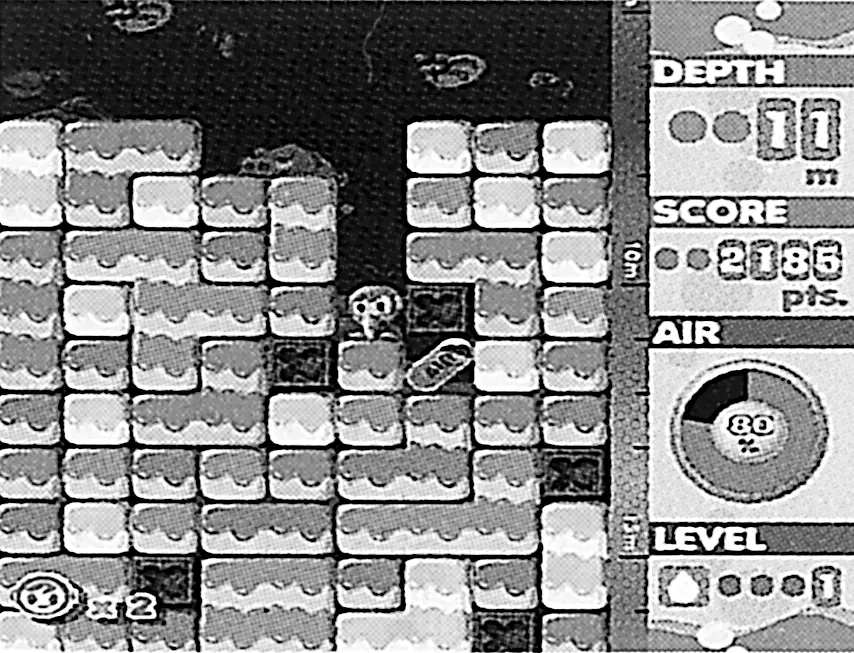 ©Bandai Namco Entertainment Inc.June
Simultaneously launched versions of the Mr. Driller home video game for three different platforms.
©Bandai Namco Entertainment Inc.
-
Established Namco Ecolotec Limited to conduct development of environmental machines.
-
April
Opened the Namco Digital Hollywood Game Lab school in collaboration with Digital Hollywood Co., Ltd.
-
March
Launched Ridge Racer V for the PlayStation 2 at the same time as the hardware launch.
1999
-
Began to supply LCD units for pachinko machines.
-
December
Launched Namco Station, a mobile phone site for i-mode service. Expanded content business.
-
November
Proposed barrier-free entertainment designs. Entered nursing care business with the aim of combining the themes of “play” and “welfare.”
-
October
Established Monolith Software Inc., a home video game development company.
-
August
Launched Soulcalibur, a weapon-based fighting game for the Dreamcast.
1997
-
Three CG works selected for prizes by SIGGRAPH,a CG conference in the U.S.
-
August
Opened Namco Station at the County Hall, a large-scale entertainment facility in a former county hall building in London, U.K.rizes by SIGGRAPH,a CG conference in the U.S.
-
Established XS ENTERTAINMENT INC. to manage multipurpose amusement facilities in the North American market.
-
January
Capital tie-up with Nikkatsu Corporation(canceled in 2005).
1996
-
Opened Namco Wondertower Kyoto, an urban comprehensive amusement facility.
-
Established subsidiaries in Spain, France, Germany,and Israel.
-
 July
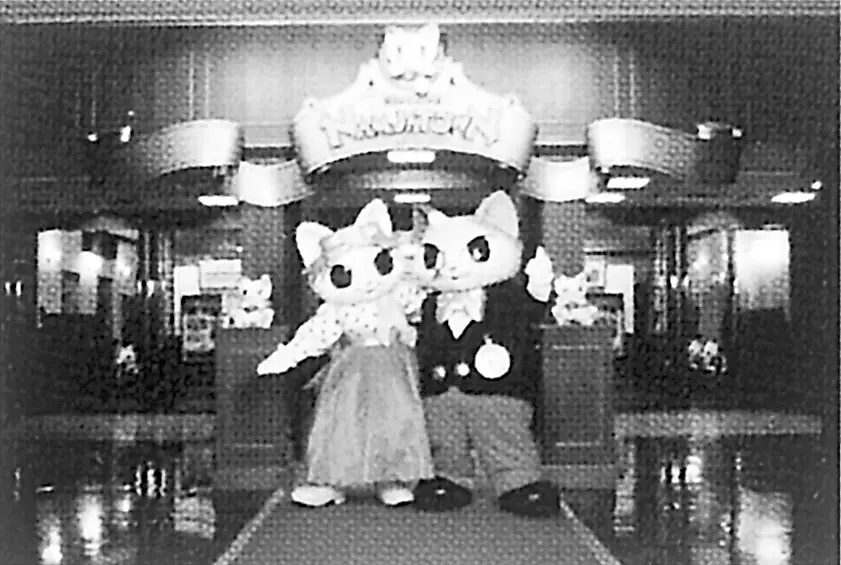
JulyOpened Namco NAMJATOWN, one of Japan’s largest indoor theme parks, in Ikebukuro, Tokyo.
1995
-
December
Launched Tales of Phantasia, the first product in the Tales of... series for the Super Famicon.
-
Developed Alpine Racer, an experience game machine.
-
 ©Bandai Namco Entertainment Inc.
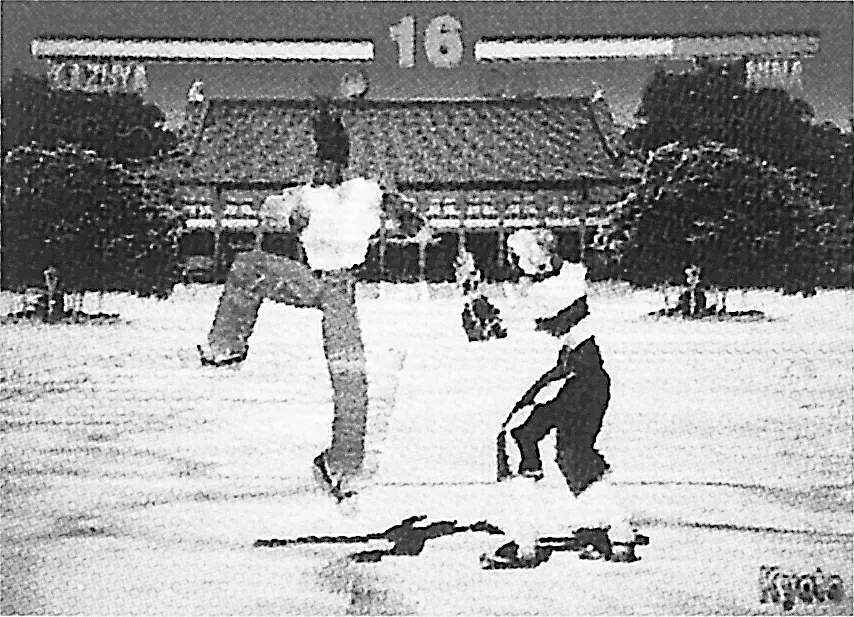
Introduced TEKKEN, a polygon martial arts game using System 11,a 3D CG system board developed jointly with Sony Computer Entertainment Inc.
©Bandai Namco Entertainment Inc.
1994
-
Established NAMCO CYBERTAINMENT INC. through the merger of two NAMCO Group companies in the U.S.
-
Opened Yokohama Creative Center, a development base, in Kanagawa-ku, Yokohama City.
-
Launched Ridge Racer for the PlayStation at the same time as the hardware launch.
1993
-
Opened Tamago Teikoku, which offered a land of entertainment alchemy, on a site adjacent to Namco Wonder Eggs.
-
Established Shanghai Namco Ltd. as a joint venture in China.
-
Acquired Aladdin’s Castle, Inc., the largest amusement facility operator in the U.S.
-
 ©Bandai Namco Entertainment Inc.
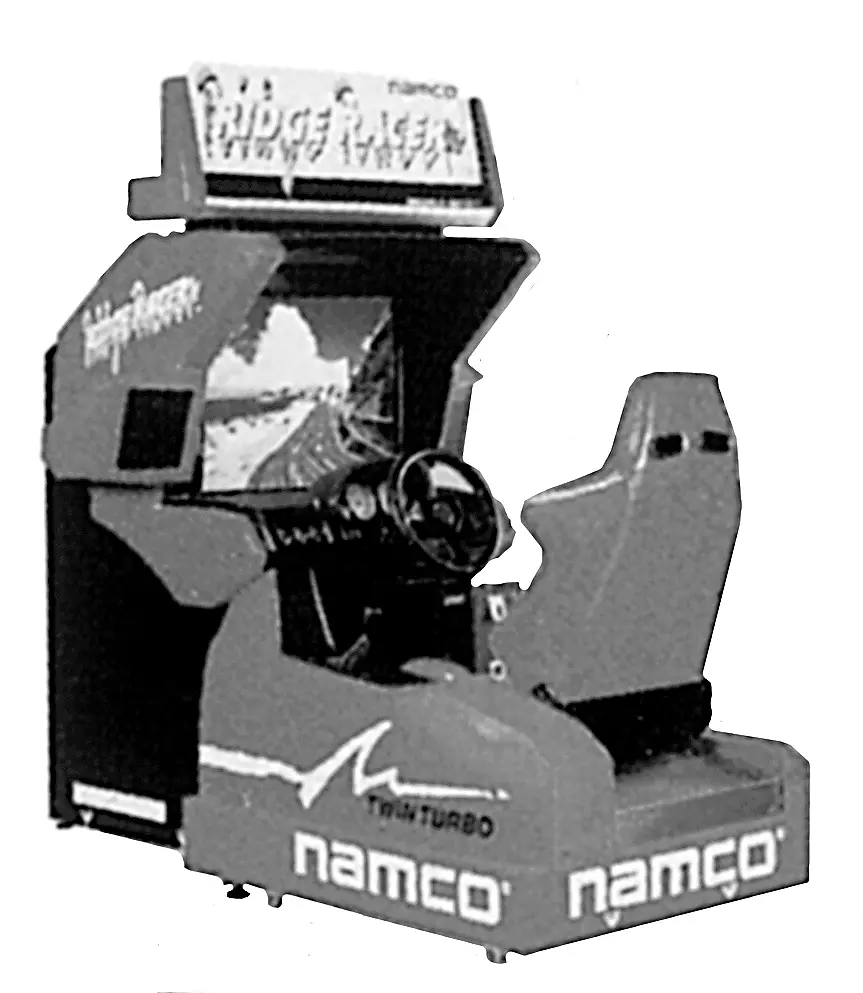
Introduced Ridge Racer, a racing game machine including System 22,a real-time, 3D CG system board.
©Bandai Namco Entertainment Inc.
-
Opened Namco Wonder City Tsurumi, a comprehensive amusement facility in Tsurumi-ku, Yokohama, with NAMCO acting as developer for the first time.
-
Established NAMCO OPERATIONS EUROPE LTD., in the U.K.
1992
-
Established Brent Leisure Ltd. to strengthen manufacturing in Europe and sales in the U.K.
-
 February
Opened Namco Wonder Eggs, the first urban theme park, for a limited time in Futakotamagawa, Tokyo.
1991
-
Opened Plabo Sennichimae, a large-scale amusement facility.
-
November
Established NAMCO EUROPE LTD., in London, U.K.
-
September
Stock listed on the First Section of the Tokyo Stock Exchange. Capital: ¥6,984 million.
1990
-
Developed the Cosmo Gangs action game machine.
-
At the International Garden and Greenery Exposition, exhibited and operated Galaxian3 and The Tower of Druaga—large-scale amusement facilities based on the hyper-entertainment concept.
-
Established Namco Hometek Inc. as a U.S. base for home video games.
-
NAMCO AMERICA INC. acquired Atari Operations Inc. Commenced amusement facility operations in the U.S.
-
Established Namco Hometek Inc. as a U.S. base for home video games.
1989
-
 ©Bandai Namco Entertainment Inc.
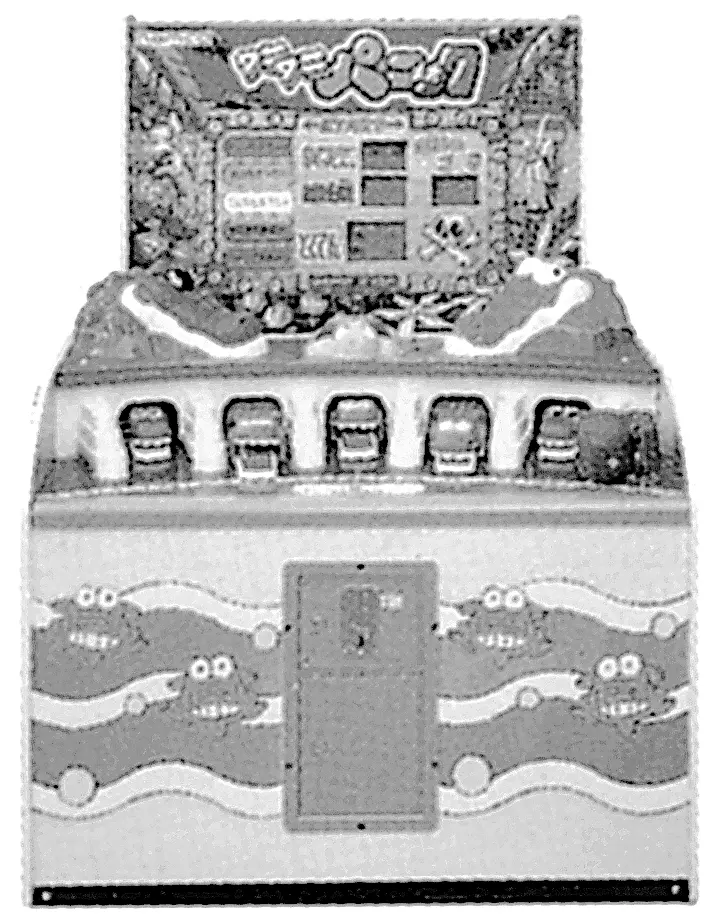
Developed the Wani Wani Panic action game.
©Bandai Namco Entertainment Inc.
-
Jointly developed Eunos Roadstar Driving Simulator in cooperation with Mazda Motor Corp.
1988
-
 ©Bandai Namco Entertainment Inc.
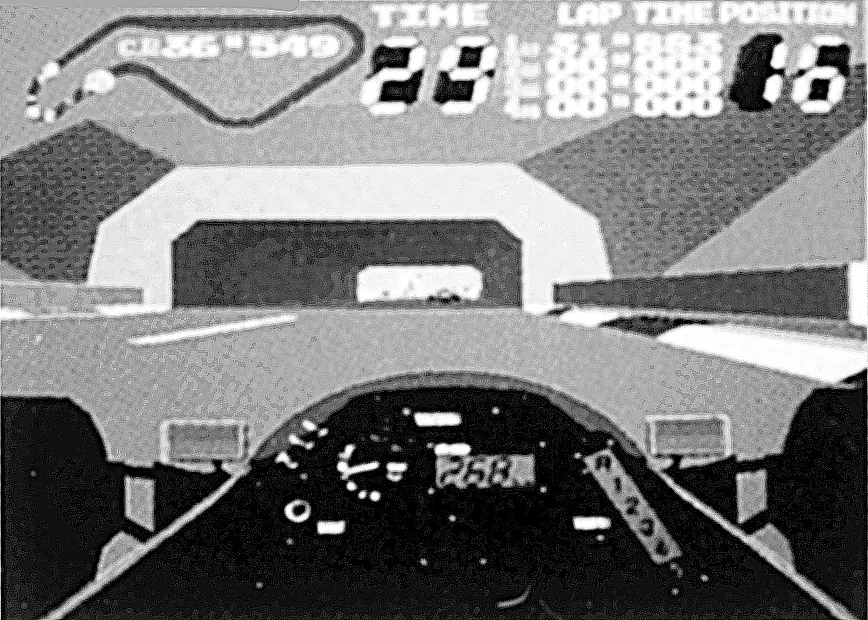
Developed Winning Run, the first racing game to use polygon technology.
©Bandai Namco Entertainment Inc.
-
Presented first original video product, Mirai Ninja: Keiunkiningaiden,at the Tokyo International Fantastic Film Festival. Also launched as an amusement machine.
-
Tie-up with JCGL, a computer graphics (CG) production company.Entered a wide range of CG video business areas, from acceptance of production orders to the provision of videos.
-
Established Yokohama Future Laboratory in Yokohama City.
-
NAMCO stock listed on the Second Section of the Tokyo Stock Exchange. Capital: ¥5,550 million.
1987
-
 ©Bandai Namco Entertainment Inc.
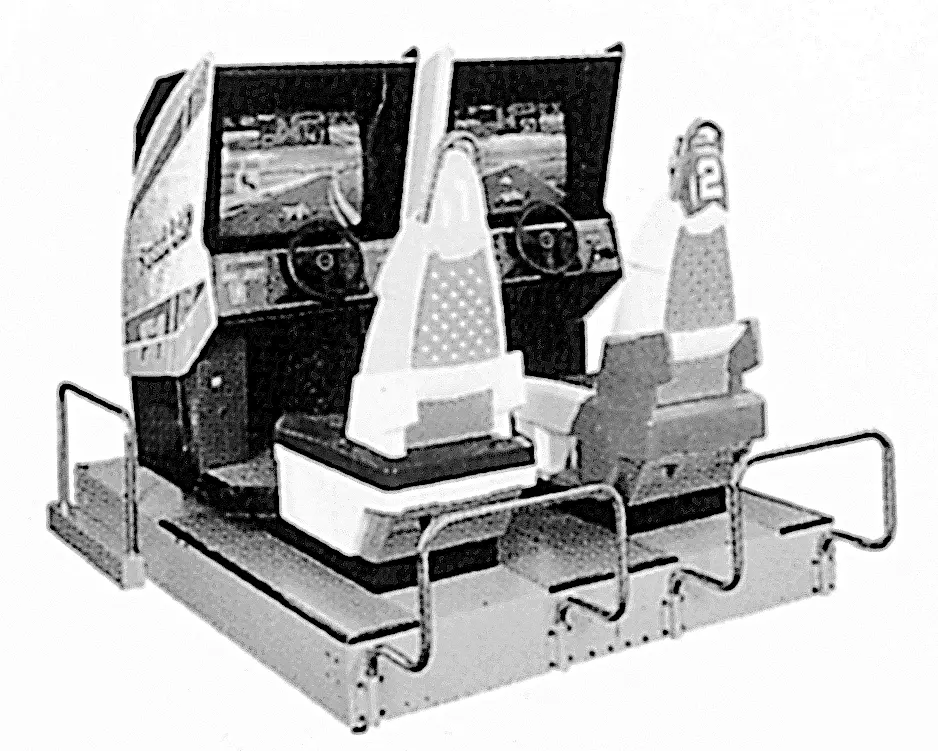
Developed Final Lap, the industry’s first driving game with built-in communications functions.
©Bandai Namco Entertainment Inc.
-
Main sponsor of the Japan performance of the musical Starlight Express.
1986
-
 ©Bandai Namco Entertainment Inc.
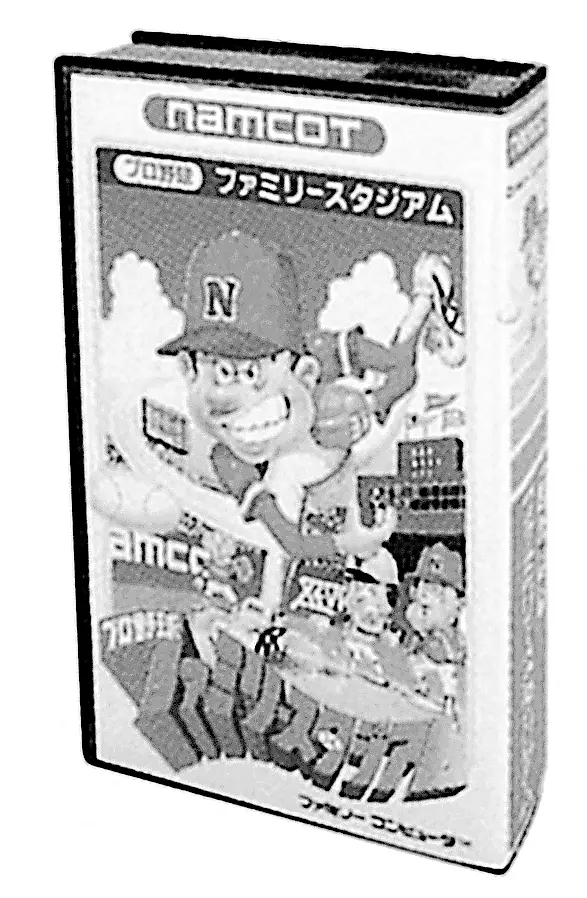
Launched Professional Baseball Family Stadium,a Famicon software.
©Bandai Namco Entertainment Inc.
-
Introduced Sweet Land, a candy prize machine.
-
Established the New Technology Foundation with the objective of fostering the development of science and technology.
-
Capital participation in Italian Tomato Ltd.
1985
-
Developed Talking Aid, a mobile communication device.
-
New headquarters building completed in Ota-ku, Tokyo.
1984
-
Introduced the first product in the Tower of Druaga series of RPG game machines.
-
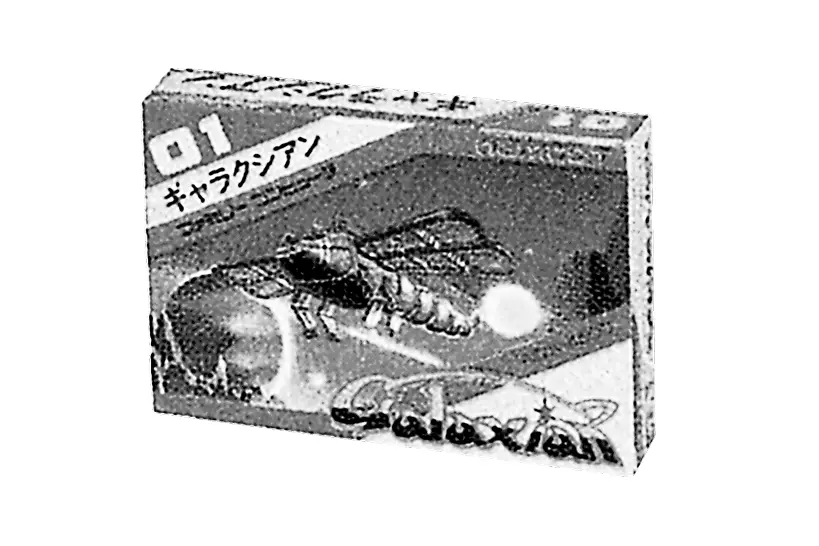 ©Bandai Namco Entertainment Inc.
Launched Galaxian, the first home video game for the Famicon.
©Bandai Namco Entertainment Inc.
1983
-
Developed robot for Cosmo Hoshimaru,the mascot character for the International Science Technology Exposition.
-
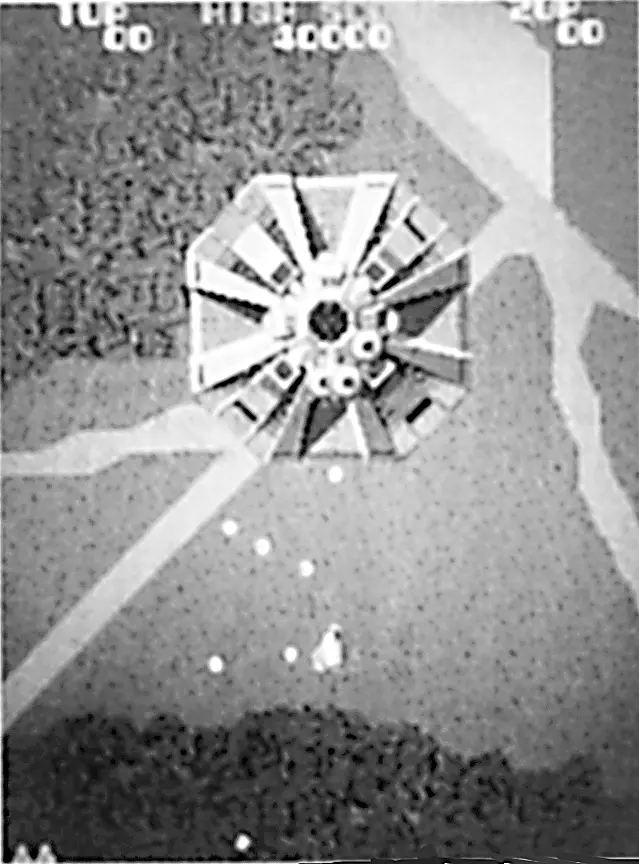 ©Bandai Namco Entertainment Inc.
Introduced the Xevious shooting game machine. Became highly popular due to beautiful graphics and story.
©Bandai Namco Entertainment Inc.
1982
-
Introduced the Pole Position racing game machine.
1981
-
Established the IP Rights Department. Began full-scale initiatives to protect in-house copyrights.
-
Introduced the Mappy maze-solving robot.
1980
-
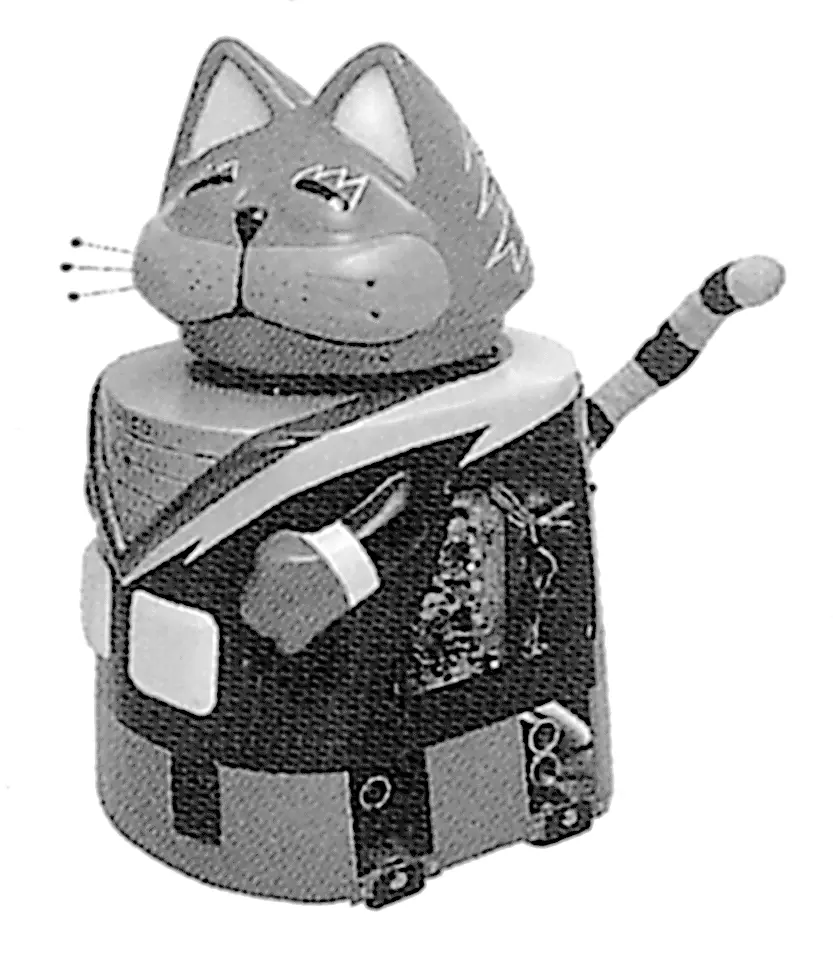 ©Bandai Namco Entertainment Inc.
Introduced the Nyamco maze-solving robot.
©Bandai Namco Entertainment Inc.
-
NAMCO sponsored the micromouse national tournament, which was participated in by amateur robot enthusiasts.
-
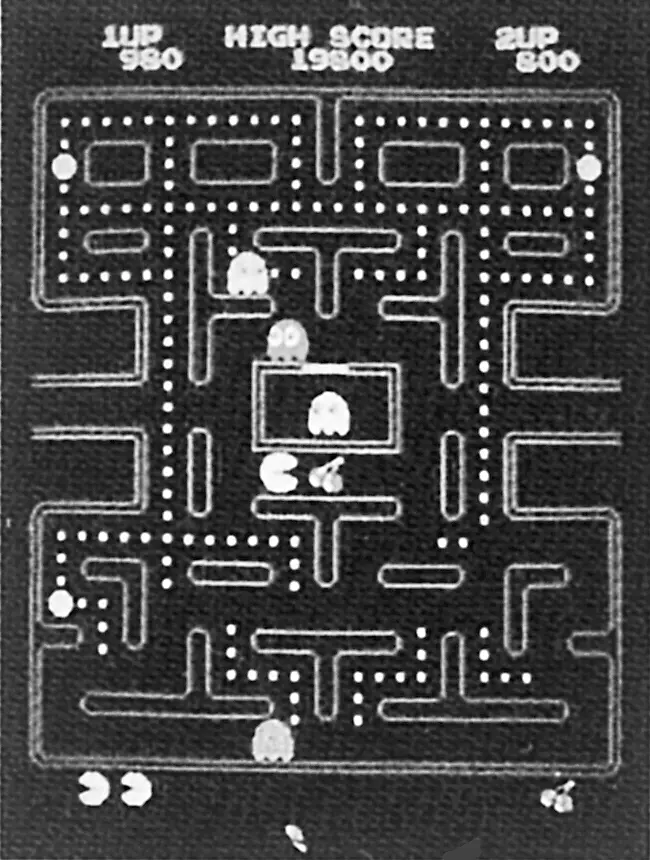
Introduced PAC-MAN. Became a major hit in Japan and overseas.
1979
-
Developed Pitch In, a machine that measured the speed of a pitched ball.
-
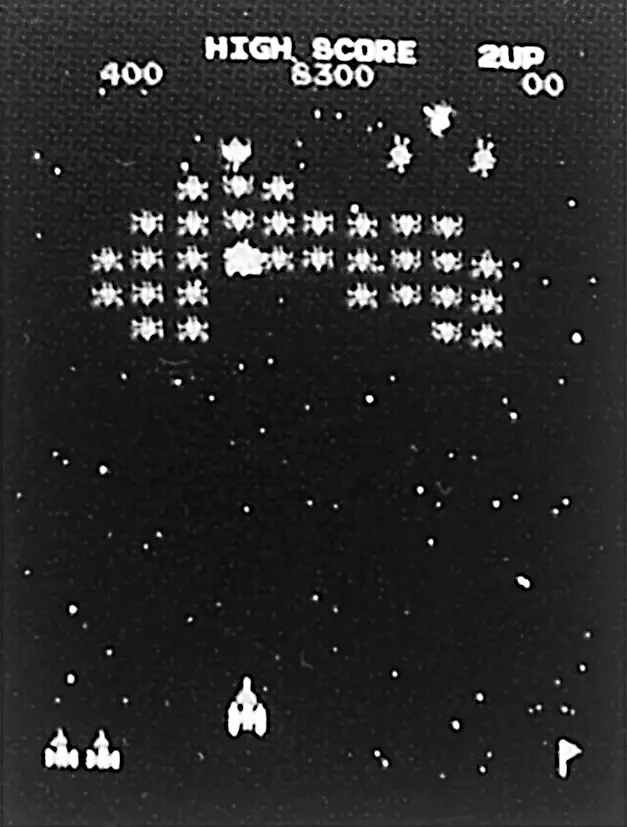 ©Bandai Namco Entertainment Inc.
Introduced Galaxian, a shooting game machine.Became popular, centered on young consumers,and became a major hit in Japan and overseas.
©Bandai Namco Entertainment Inc.
1978
-
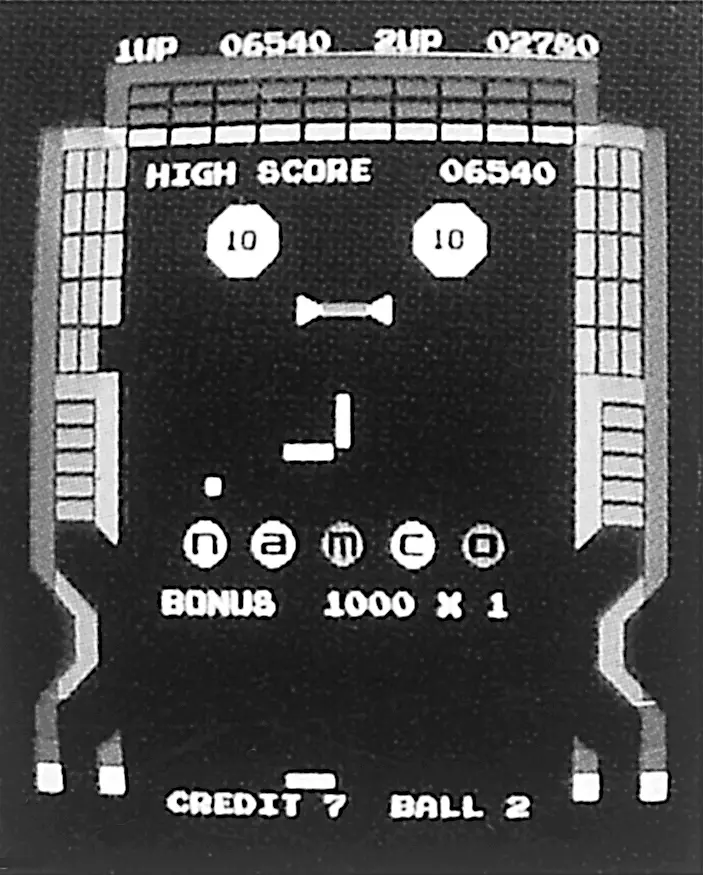
Introduced Gee-Bee, the first original amusement machine.
-
Developed Submarine, a submarine game machine.
-
June
Established NAMCO AMERICA INC. in California, U.S.
1977
-
Developed Shoot Away, a mirror-projection-type gun hooting game.
-
NAMCO ENTERPRISES ASIA LTD. established.
-
Changed company name to NAMCO LIMITED.
1976
-
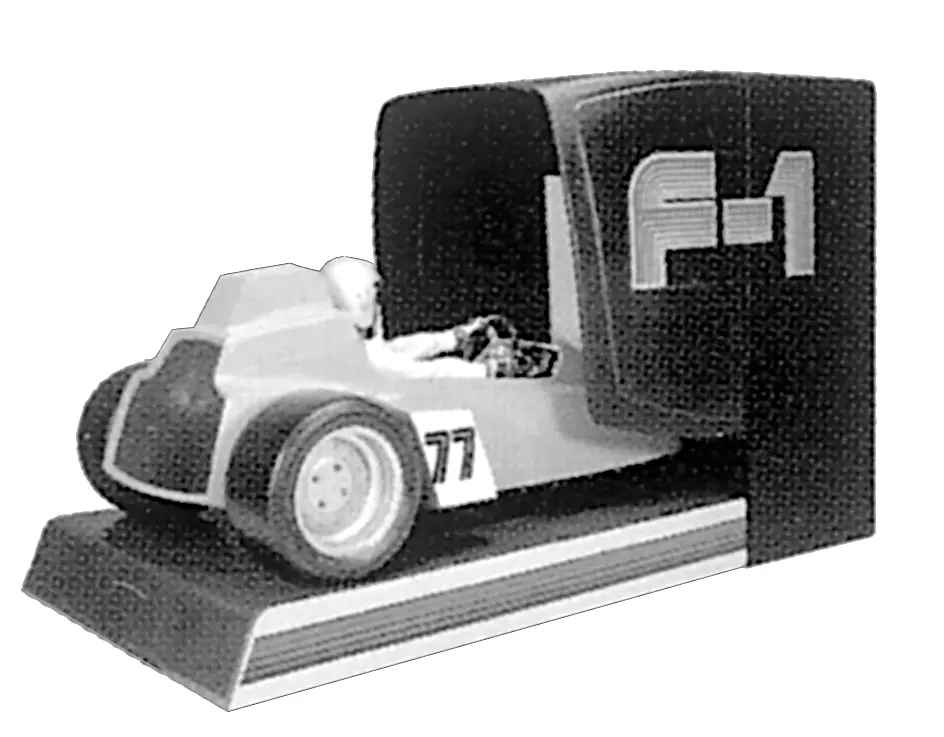 ©Bandai Namco Entertainment Inc.
Developed F-1 driving simulation game machine. Became popular in Japan and overseas.
©Bandai Namco Entertainment Inc.
1975
-
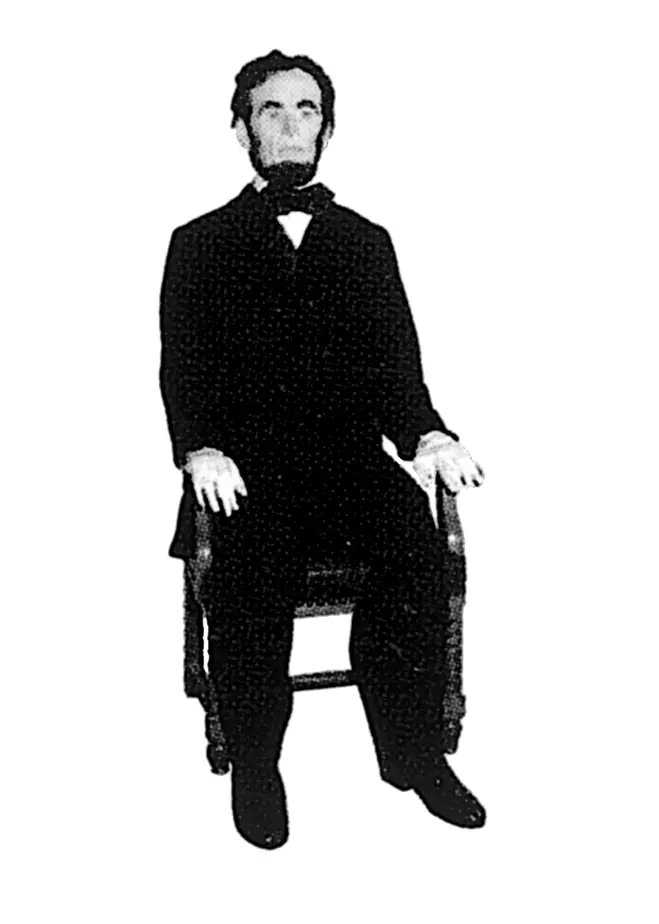
Began full-scale research into robot technologies.Developed President Lincoln Robot.
1974
-
Acquired Atari (Japan) Corp. from Atari Corp., of the U.S. Entered the video game business.
1971
-
Use of NAMCO brand name began.
1970
-
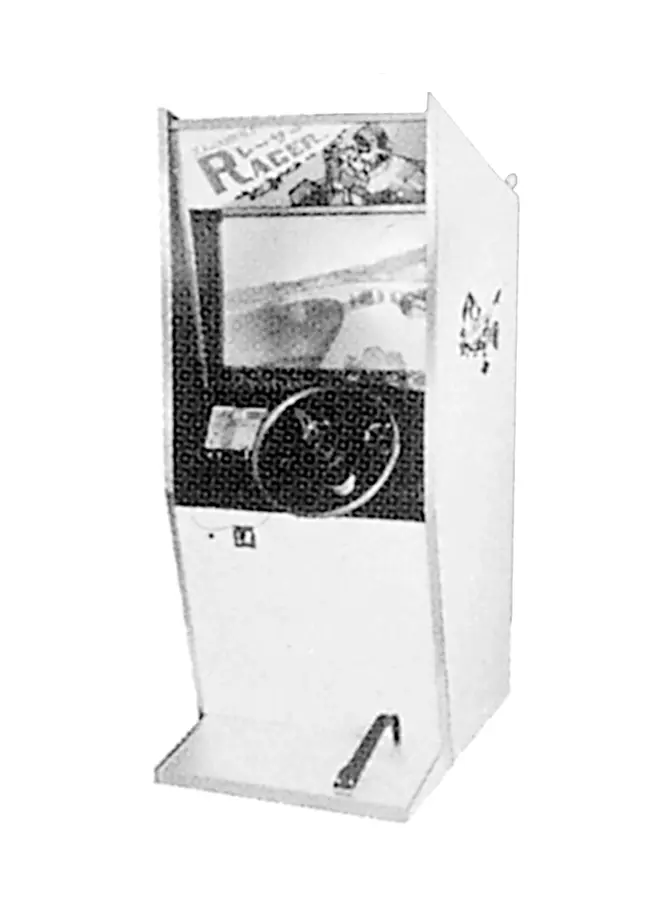 ©Bandai Namco Entertainment Inc.
Developed Racer, a driving simulation game. Projection equipment using 3D models that were innovative for the time period became popular, and it became a hit machine.
©Bandai Namco Entertainment Inc.
-
Established Yaguchi plant in Yaguchi, Ota-ku, Tokyo.
1967
-
Opened Osaka office in Namba, Osaka.
1966
-
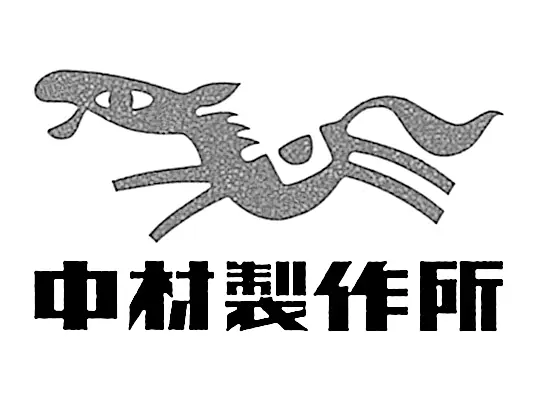
Began to use Nakamura Manufacturing brand mark.
-
Established main production facility in Ota-ku, Tokyo. Expanded activities of development and production departments.
1965
-
Established the Production Department. Periscope, eveloped by the Production Department, became a major hit.
1963
-
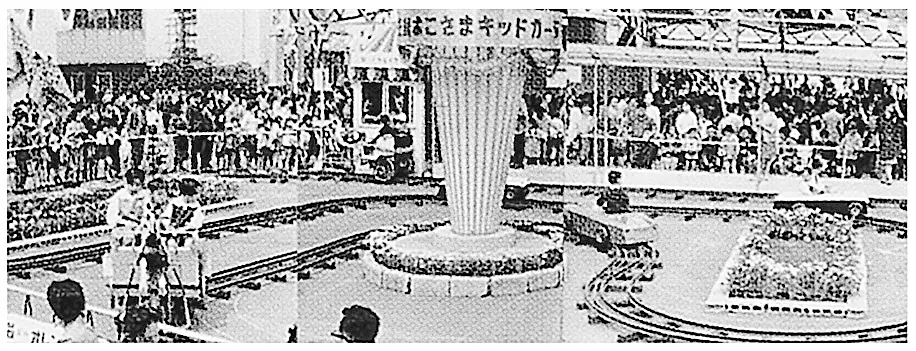
Installed the Roadway Ride on the rooftop of Mitsukoshi Department Store in Nihonbashi, Tokyo. Subsequently expanded business to each Mitsukoshi store.
1959
-
Reorganized to form Nakamura Manufacturing Co., Ltd. Capital:¥5 million.
1957
-
Headquarters office established in Ginza, Tokyo. Started sales of amusement machines.
1955
-
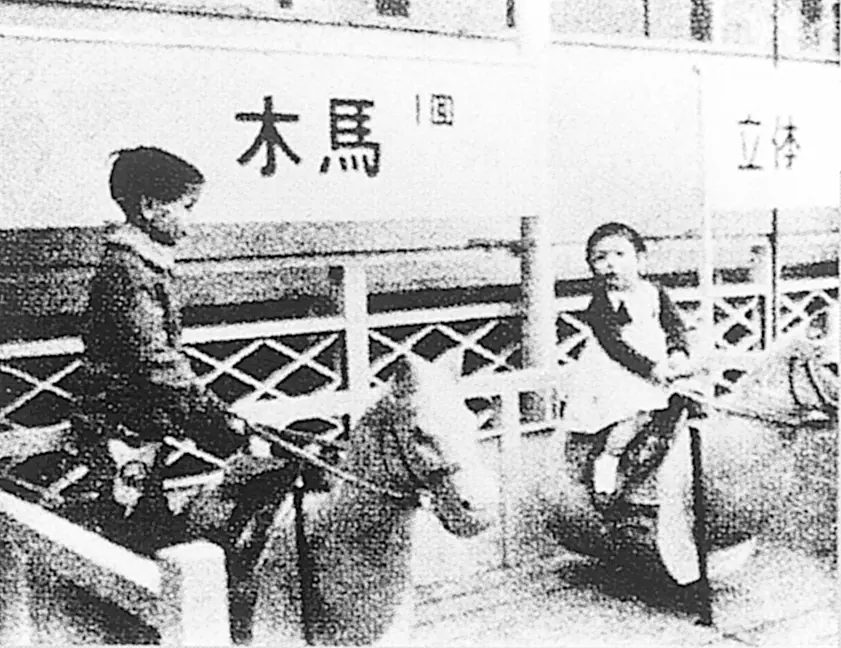 June
JuneNakamura Manufacturing Ltd. established in Ikegami, Ota- ku, Tokyo (President: Masaya Nakamura). Capital:¥300,000. Started in the amusement business with the installation of two children’s mechanical horse rides on the rooftop of a department store in Yokohama.